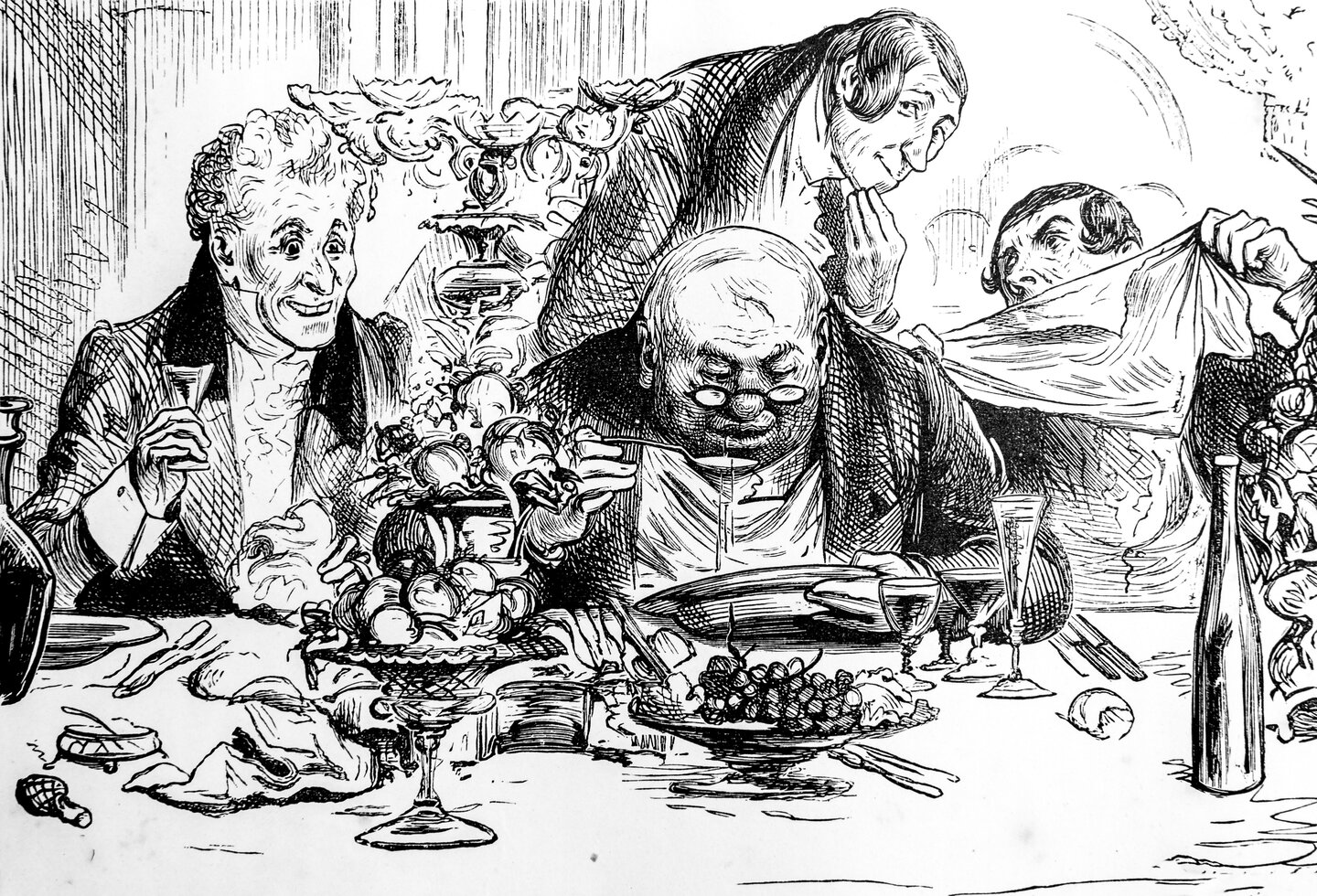
Some of Bovril’s recipes may not appeal to the modern palate, but the company’s content-marketing ideas do.


Content marketing is far from new, although its sophistication and delivery mechanisms have been revolutionised since the advent of the internet. In fact, it has existed since the start of the nineteenth century, or possibly earlier according to those who argue that the Bible is an extremely successful example of early content marketing.
The Content Marketing Institute defines the discipline as:
The strategic marketing approach of creating and distributing valuable, relevant, and consistent content to attract and retain a clearly defined audience – and, ultimately, to drive profitable customer action.
With this definition in mind, we find several examples of modern content-marketing practices in use towards the end of the 1800s.
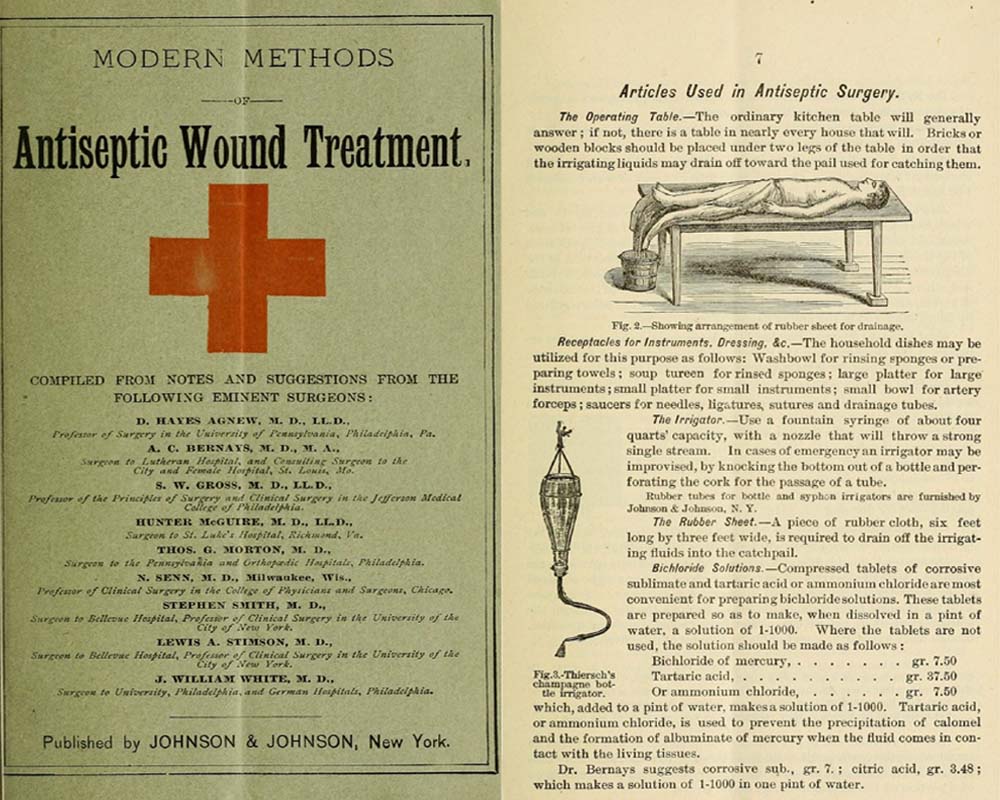
Johnson & Johnson published Modern Methods of Antiseptic Wound Treatment in 1888. The booklet first circulated to 85,000 doctors, surgeons and pharmacists across the USA, before being translated into three languages and distributed worldwide with a combined print run of 4.5 million copies. The educational guide explains in detail how to carry out sterile surgery using Johnson & Johnson products. This not only moves stock but helps establish the company as a thought leader in its field.
If we cross the Atlantic, we encounter an interesting example from Bovril (now owned by Unilever), which clearly demonstrates that content marketing was alive and well in the UK during the reign of Queen Victoria.
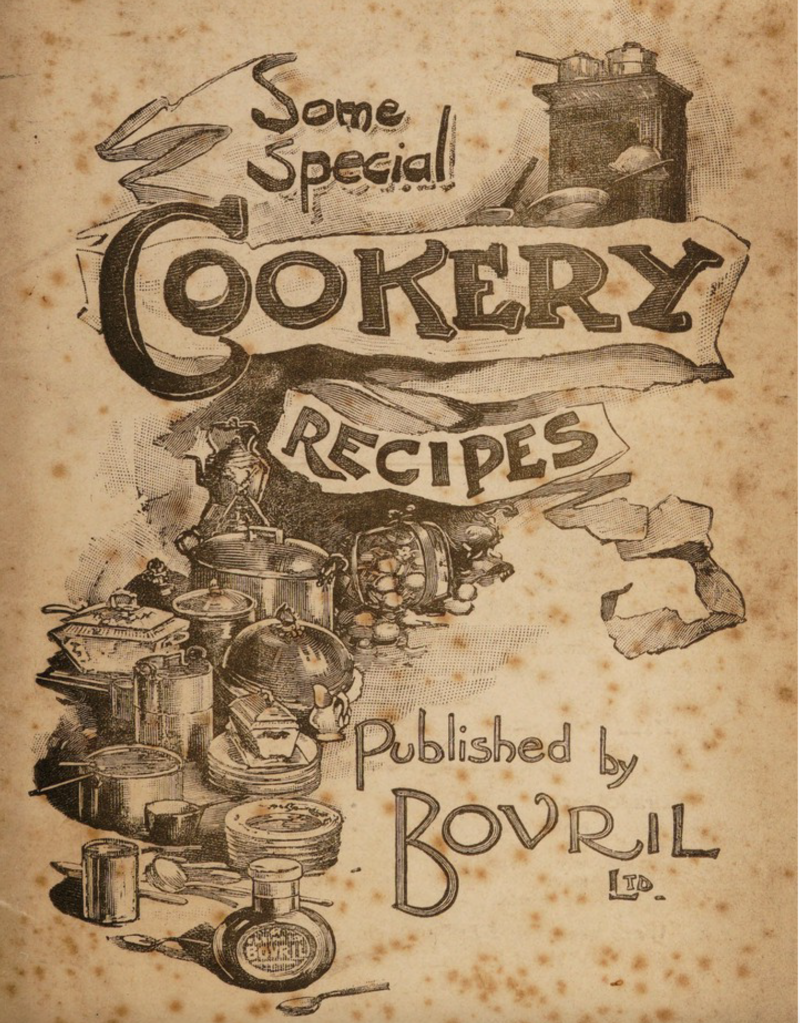
Bovril’s cookery book aims to reposition the product from a simple beef tea – Napoleon III’s troops first used an early version of the product during the 1870–71 Franco–Prussian War – to a versatile cooking ingredient for sauces, soups, gravies, entrées and other dishes.
The target audience is defined, albeit in a rather archaic way, in the booklet’s dedication:
“This little booklet is dedicated to the thrifty Household Managers of the United Kingdom and to those conscientious Cooks whose constant aim is to produce the most appetising and nourishing dishes at the smallest possible cost.”
The booklet clearly falls under the earlier definition. Content is relevant and valuable – a free booklet was of much greater worth than it is today – and created to drive customers to diversify their use of Bovril. We don’t know how consistent the booklet was with other marketing activities in the 1890s, although Bovril’s owners still provided recipes decades later, demonstrating clear consistency over time. Interestingly, ‘Bovril fans’ around the world have posted these recipes online, making them easily accessible today. So, a manufacturer-driven piece of content marketing has morphed into something that’s perhaps even more valuable.
Evidently, the marketers of yesteryear knew what they were doing. Whether Bovril’s target audience is still partial to ‘cow-heel soup’ or ‘pigs feet á la Bovril’ is debatable, but the principles behind the booklet are still as relevant today as they were then.
For those who are inspired to try any one of the 100 recipes, buy a jar of Bovril and download the booklet here.
 Previous article